

Hamster Care
Hamster Care Guide for Beginners
Everything a new owner needs to know about hamster care: housing, bedding, wheel, food, handling, cleaning and health,…
Practical hamster care guides, setup advice and honest product recommendations for new and experienced owners.
Start with these guides: the basics of care, housing, food, wheels and bedding.
Everything a new owner needs to know about hamster care: housing, bedding, wheel, food, handling, cleaning and health,…

What to feed a hamster each day, which fresh foods are considered safe, which to avoid, and where…
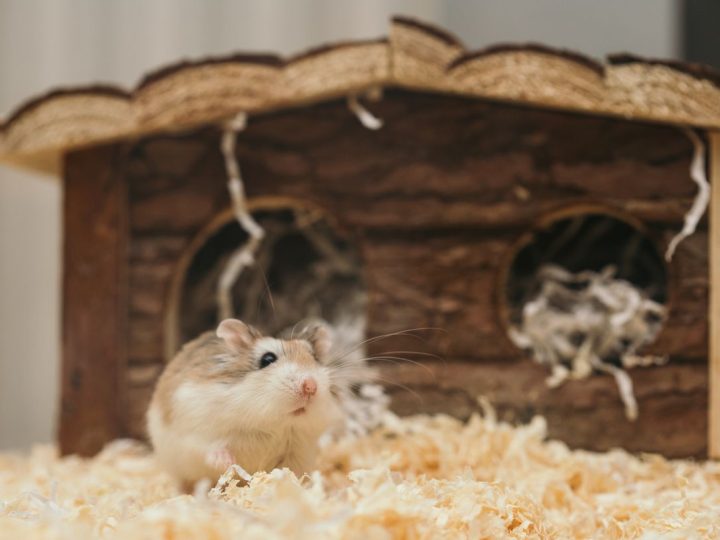
A step-by-step hamster cage setup: location, bedding depth, wheel, hides, sand bath, food and water, plus a simple…

Which bedding and nesting materials welfare and veterinary sources accept, which they warn against, and where they disagree.

Wheel diameters for Syrian and dwarf hamsters according to PDSA, Blue Cross, Woodgreen and TVT, plus the straight-back…

A tick-list of everything a hamster needs from day one: housing, bedding, wheel, food, water, hides and enrichment,…
Buying guides that explain what matters first, then compare the options.
 Housing
What makes an enclosure suitable, and how the popular options compare on floor space and bedding depth.
See the build → Exercise
Wheel sizes by species, safe running surfaces and quiet options compared.
See the build → Bedding
Unscented paper and aspen beddings compared by type and bag size, with how much you need.
See the build → Food
How to judge a hamster food mix and which widely available options are worth a look.
See the build →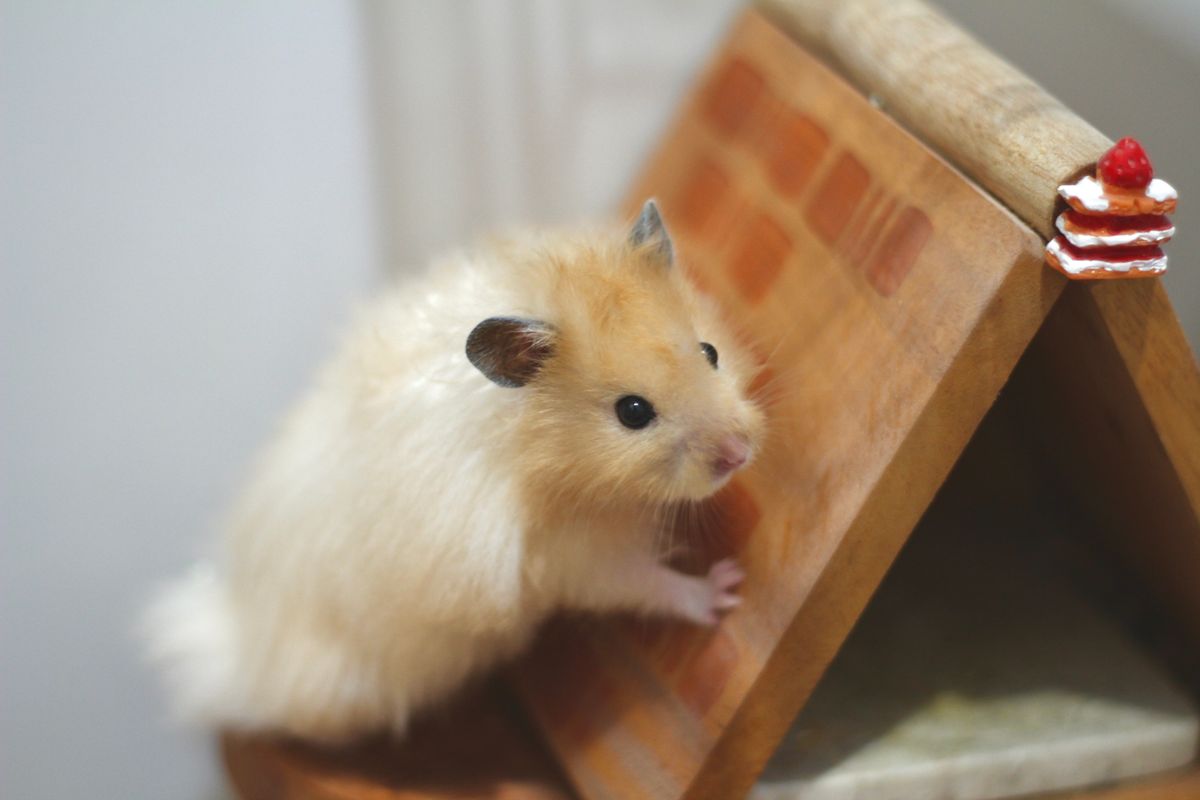 Enrichment
Chews, hides, sand baths and foraging gear that support natural behaviour.
See the build → Start here
Everything to have ready before you bring a hamster home, as a simple tick list.
See the build →Pick a path and we will personalize the rest of the page.
Most hamsters need much more space than pet-store cages provide.
Drag the slider to see how bedding depth affects burrowing health.
Good — your hamster can build a basic burrow at this depth.
Syrian, Robo, Winter White, Campbell, Chinese — each one has unique care needs.
Solitary, generally docile once tamed
Enrichment focus: Loves deep burrowing, large wheels, foraging
Fast, skittish, observe-don't-handle
Enrichment focus: High energy, needs sand bath and lots of tunnels
Curious, can be tamed with patience
Enrichment focus: Loves digging — deep substrate is essential
Bold, sometimes nippy
Enrichment focus: Needs lots of chew toys to avoid stress
Shy, gentle, prehensile-tailed
Enrichment focus: Loves climbing — add cork branches and platforms
The main things a hamster home needs. Each links to current options on Amazon; read the matching buying guide first.
Best for Syrians
Best for Syrians
All species
Dwarfs & Robos
Beginners
All species
Answer 7 quick questions and get a personalized habitat plan.
Loading quiz…
Drag enrichment items, wheels, hideouts and tunnels onto the enclosure.
Boredom is a leading cause of hamster stress. Get a weekly toy rotation and foraging plan.
Log feeding, cleaning, enrichment rotation and weight. Saved automatically in your browser.
| Task | Cadence | Last done | Status | Action |
|---|---|---|---|---|
| Feeding Refill seed mix & remove uneaten fresh food |
Every 1 day | — | Due | |
| Water change Replace bowl/bottle with fresh water |
Every 1 day | — | Due | |
| Spot clean Remove pee corners, droppings, stale food |
Every 3 days | — | Due | |
| Enrichment rotation Swap toys, refresh forage |
Every 7 days | — | Due | |
| Health check Look for wet tail, lumps, eye discharge |
Every 7 days | — | Due | |
| Bedding refresh Top up bedding without full clean |
Every 30 days | — | Due | |
| Weight check Weigh your hamster, log the value |
Every 7 days | — | Due |
Healthy adult Syrian: 100-200 g. Healthy dwarf: 25-50 g.
Short answers based on welfare and veterinary guidance, with links to the full guides above.
PDSA, Blue Cross, Woodgreen and the German welfare body TVT all recommend a floor of at least 100 x 50 cm (about 775 sq in) of unbroken space for any hamster species, and all say bigger is better. Some US sources quote a lower 450 sq in.
Unscented paper-based bedding is accepted by every source we checked, and aspen by PDSA, Blue Cross and Woodgreen. Avoid fluffy cotton-wool nesting, cedar and pine shavings, scented bedding and dusty sawdust.
Blue Cross recommends at least 20 cm and PDSA at least 25 cm of diggable bedding, so hamsters can build burrows. If the whole enclosure cannot be that deep, make one area deep.
About 30 cm (12 in) for Syrian hamsters and 20 to 25 cm (8 to 10 in) for dwarf species, with a solid running surface. The hamster should run with a straight back.
Syrian hamsters must always live alone. Most welfare and veterinary sources recommend housing dwarf hamsters singly too, because pairs often fall out and fight.
Spot-clean soiled bedding regularly and do a larger clean every few weeks, keeping some clean used bedding. RSPCA and Blue Cross suggest a full clean once or twice a month, depending on enclosure size.
A food formulated for hamsters as the base, with small amounts of fresh vegetables and occasional protein such as boiled egg or mealworms. Keep sugary foods to a minimum, especially for dwarf hamsters.
What you can expect from every guide on this site.
Our advice follows published guidance from animal welfare charities and veterinary sources, not pet-store minimums.
Guides link to the welfare and veterinary sources they are based on, and say so when those sources disagree.
We do not claim hands-on tests we have not done. Product picks are based on specifications judged against welfare criteria.
Some links are Amazon affiliate links. We never accept payment for placement, and commissions do not decide what we recommend.